
Looking for something to do this week? The MFA has some really fun family and kid activities going on all week! Check out their website for more information!
Vacation Week at the MFA!
All ages and abilities welcome; children must be accompanied by an adult. No registration required. FREE admission for kids all week.
Special Events include: story time, family tours, visiting artists (including Japanese Taiko drummers!), and a childrens film festival!
They also have art making activities all week!
10 am–4 pm (until 8 pm on Wed). Drop in to enjoy hands-on activities for all ages.
Cherry Blossom Scrolls,
Druker Family Pavilion 159
April is the month of the cherry blossoms in Japan! Find images of springtime on the screens and scrolls in
Gallery 280, and then join us in the studio (Druker Family Pavilion 159) to create your own watercolor painting.
Samurai Helmet, Shapiro Family Courtyard
Discover the beautifully detailed helmets in
“Samurai!”(Gund Gallery LG31). Can you find helmets that have features of rabbits, dragons, and other animals? How do you think the helmets were put together? After viewing the show, join us in Shapiro Family Courtyard to create your own helmet!
Symbolic Seats,
Gallery 278C
Join us in Gallery 278C to view the Buddhas. What are they sitting on? The lotus flower grows in murky water then pushes upward until it reaches the surface as a beautiful flower. In Japanese culture, the lotus symbolizes working through something until you rise above it and reach the light. Create your own lotus mat—maybe it will inspire you to work through and rise above conflicts.
Contemporary Ceramics,
Druker Family Pavilion160
Check out how today’s Japanese artists create sculptures and vessels. Explore Yagi Akira’s
Nesting Covered Boxes in
Gallery 280, Kondo Takahiro’s Blue Porcelain Box in Gallery 158, or Jun Kaneko’s two rounded forms,
Untitled, in Gallery 258. Back in the studio (Druker Family Pavilion 160), create your own clay piece exploring shape, size, and texture.


 Fourth grade students studied the art of the guitar. Students looked at 4 centuries of guitar design and discussed why this instuments design has gone through more changes than any other. Students also described how changes in fashion, technology, and musical tastes influenced the design of this popular instrument. After viewing many examples from the past and present -students set out to design thier own guitars. We learned that the electric guitar could be shaped however the artist desired since the sound was not going to be affected by the shape. We viewed many examples of creative designs- like the flying V, a guitar shaped like a crutch, a moon, even one shaped like the USA! (to name a few...) Students began by sketching their own ideas and then created their guitars out of cardboard.


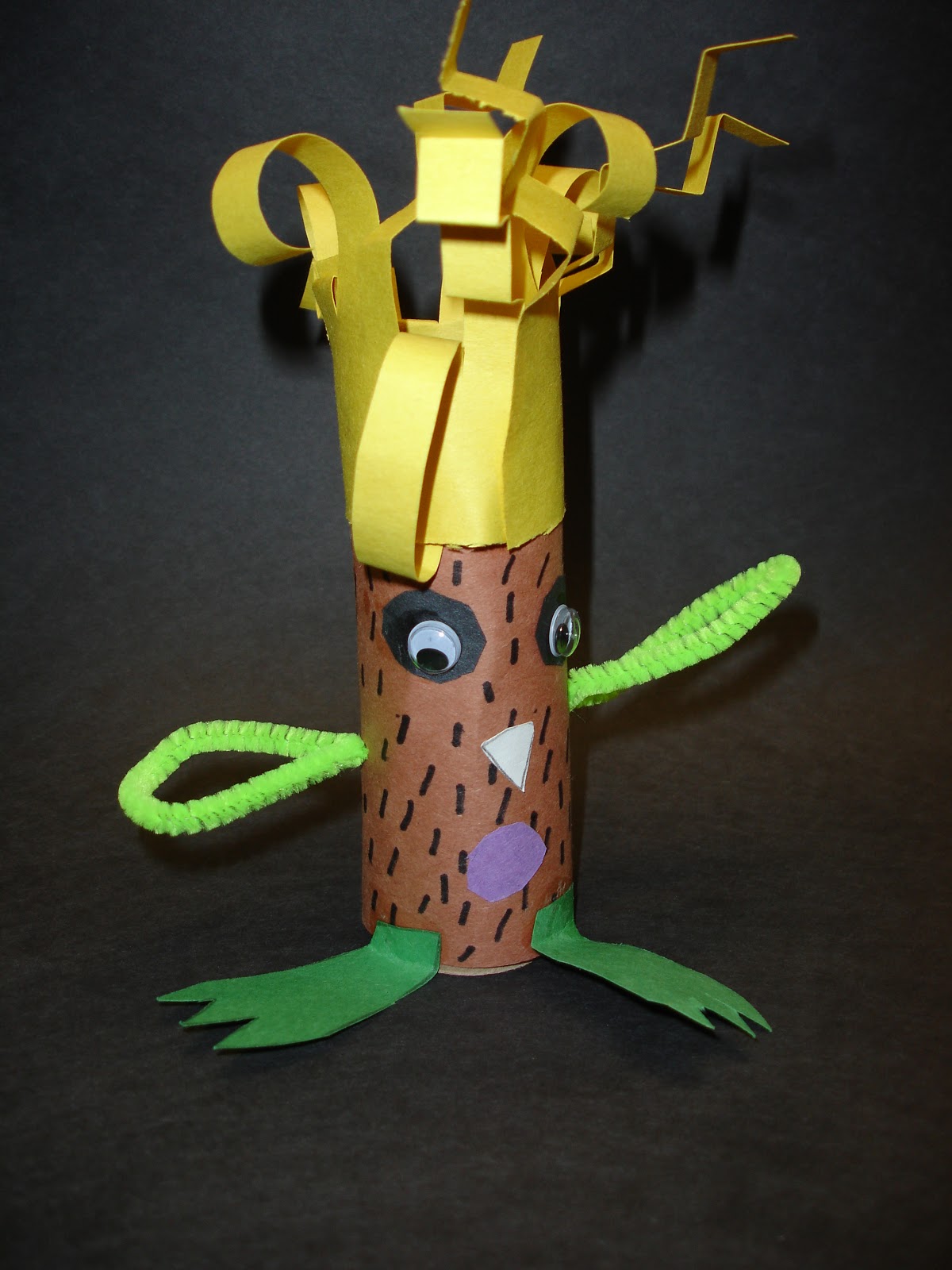
 First Grade students looked at the book Where the Wild Things Are by Maurice Sendak. After discussing his work as an author and an illustrator we began looking more closely at his drawings. Students paid special attention to the texture he used when creating his wild things (some were hairy, scaly, etc.). Students then set out to create their own sculptures of these wild beasts. Using cardboard tubes and constuction paper students learned how to manipulate the paper to create different effects. ome even added their own texture to their creatures!


 5th grade students studied the life and art of artist James Audubon. He's remembered for his expansive studies to document all types of American birds and for his detailed illustrations that showed the birds in their natural habitats. Audubon identified 25 new species! Most impresive is his book Birds of America. There are only 119 copies and one copy is worth up to 10 million dollars today! This book is truly special not just because of the birds it documents but because of it's size...each bird was created life size!


